
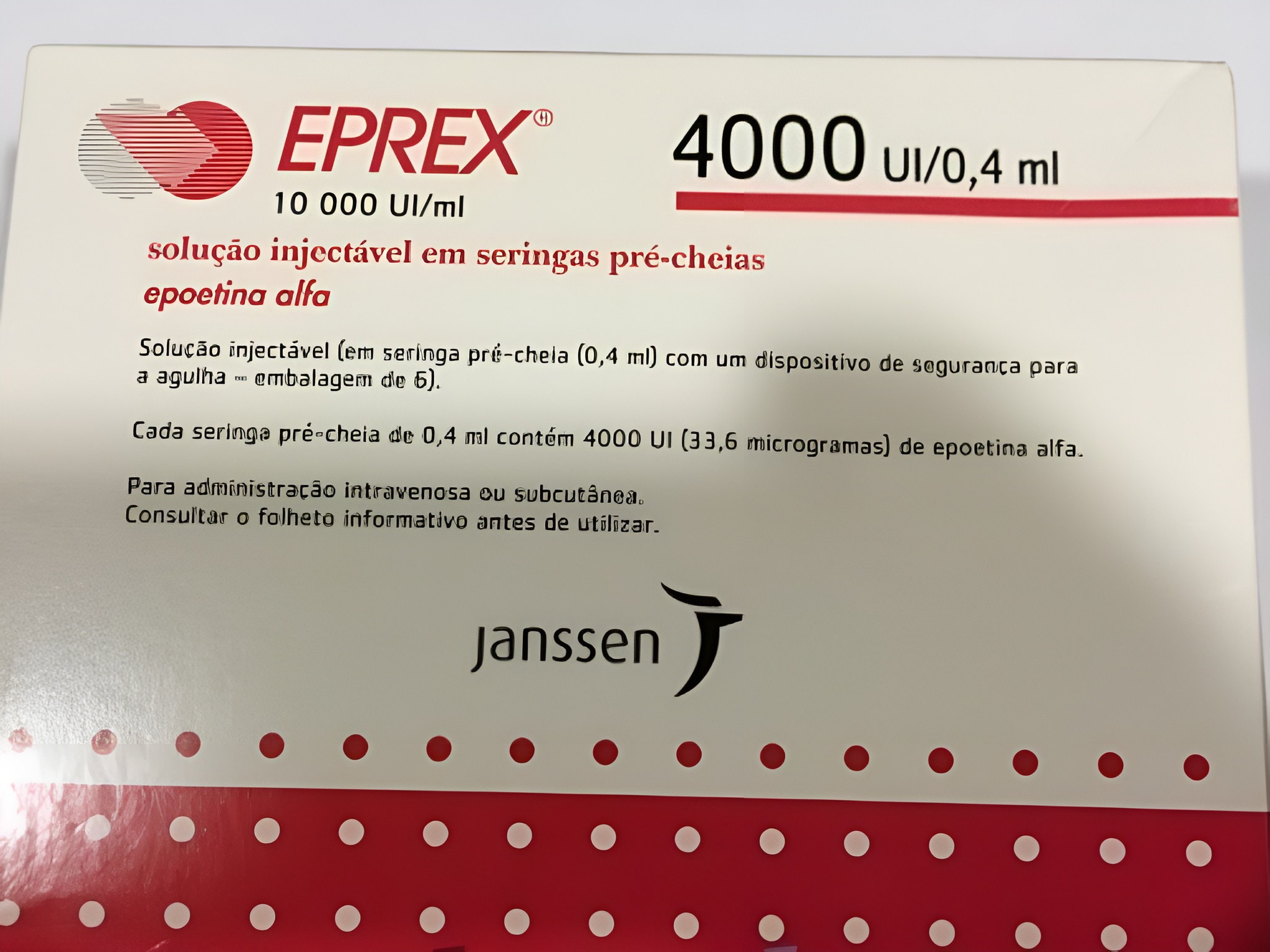

EPA – EPREX 4000 IE is a biologically active pharmaceutical product utilized for the treatment of anemia. It is particularly effective for patients undergoing chemotherapy or suffering from chronic kidney disease.
Physical and Chemical Properties:
- Active Ingredient: Erythropoietin (EPO)
- Dosage Form: Injectable solution
- Concentration: 4000 IE (International Units)
- Appearance: Clear, colorless solution
- Storage Conditions: Refrigerate at 2°C to 8°C (36°F to 46°F)
Introduction
EPA – EPREX 4000 IE is a recombinant human erythropoietin, a glycoprotein hormone essential for erythropoiesis (the production of red blood cells). Used primarily in patients with anemia due to chronic kidney disease or chemotherapy, EPREX stimulates the bone marrow to increase red blood cell production, improving oxygen delivery throughout the body.
Key Features & Clinical Relevance
Indications
- Chronic Kidney Disease: Used to treat anemia in patients with chronic kidney disease, significantly improving quality of life.
- Chemotherapy-induced Anemia: Enhances hemoglobin levels in patients undergoing chemotherapy, reducing the need for blood transfusions.
Mechanism of Action
EPREX mimics the effects of natural erythropoietin, binding to erythropoietin receptors on erythroid progenitor cells in the bone marrow. This process leads to increased red blood cell production, enhancing oxygen transport and mitigating anemia symptoms.
Dosage and Administration
- Recommended Dosage: Typically, the initial dosage is based on hemoglobin levels and specific patient needs. Adjustments should be made according to laboratory results and clinical response.
- Route of Administration: Subcutaneous or intravenous injection, depending on clinical context and patient condition.
Side Effects
Common side effects may include:
- Hypertension
- Headache
- Nausea
- Flu-like symptoms
- Increased risk of thromboembolic events
Safety & Handling Guidelines
Treat EPREX 4000 IE with caution, ensuring compliance with the following handling protocols:
- Personal Protective Equipment (PPE): Use gloves and sterilized equipment to minimize contamination.
- Storage Conditions: Store in a refrigerator (2°C to 8°C). Do not freeze. Discard after the expiration date.
- Disposal: Dispose of any unused product and materials according to local waste disposal regulations.
Legal & Safety Disclaimer
The use of EPA – EPREX 4000 IE should only be conducted under the supervision of qualified healthcare professionals. This product is intended for patients with specific medical conditions and requires a prescription.
FAQ Section
What is EPREX, and what is it used for?
EPREX is a recombinant human erythropoietin used to treat anemia associated with chronic kidney disease and chemotherapy.
How is EPREX administered?
EPREX can be administered via subcutaneous or intravenous injection, depending on medical advice and patient requirements.
Are there any common side effects?
Yes, side effects may include hypertension, headache, nausea, and flu-like symptoms, among others.
Can EPREX be frozen?
No, EPREX should be refrigerated at 2°C to 8°C and must not be frozen.
Who should supervise the use of EPREX?
Administration of EPREX should be supervised by qualified healthcare professionals who can monitor patient response and adjust treatment as necessary.
This comprehensive guide provides essential information regarding EPA – EPREX 4000 IE, ensuring that healthcare professionals have access to the necessary data for effective patient management and treatment.

Reviews
There are no reviews yet.